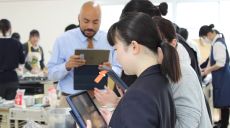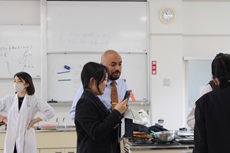
The Global Studies students recently participated in a co-session with the Home Economics class where they recorded and described, in English, the ingredients and preparation steps involved in the creation of several western dishes. Following this experience, students will use their footage to compile a report on their chosen dish, and later verbally present the report in English. Such language activities involving simple, everyday tasks like cooking help one to better tie a foreign language into their everyday routine. Food preparation is a large part of daily life, so it’s quite easy to reinforce the language and phrases involved in it while preparing your own meals every day once you learn the vocabulary. I for one did similar practice in my own Japanese studies, following recipes on sites like Cookpad, looking up unknown words for ingredients and preparations, and repeating the Japanese in my head as I followed along with the instructions. This practice familiarized me with Japanese cuisine, something that has become invaluable in many fundamental aspects of my life here. After all, it’s hard to order at a restaurant or even grocery shop if you don’t know the native names for foods and ingredients!
【和訳】
国際交流系統3年次生は「英語会話実習」の一環で、生活福祉系統が実施していた調理実習の参加し、料理の材料や調理手順について英語で記録し、説明を行いました。この経験を踏まえ、生徒たちは自分が選んだ料理についてのレポートを作成し、後に英語で口頭発表を行う予定です。
料理のような身近で日常的な活動を通したこのような言語学習は、外国語を自分の日常生活に結びつけるのに役立ちます。食事の準備は日常生活の大きな部分を占めているため、一度語彙を身につければ、自分で料理をする中でその言葉や表現を毎日簡単に復習することができます。
私自身も日本語学習において同様の練習を行いました。Cookpadのようなサイトでレシピを見ながら、分からない単語を調べ、調理手順に従いながら日本語を頭の中で繰り返しました。このような練習によって、日本の食文化に慣れることができ、それは今の生活のさまざまな基本的な場面において非常に役立っています。
実際、食べ物や材料の現地での名称を知らなければ、レストランで注文したり、スーパーで買い物をしたりすることさえ難しいものですから。